
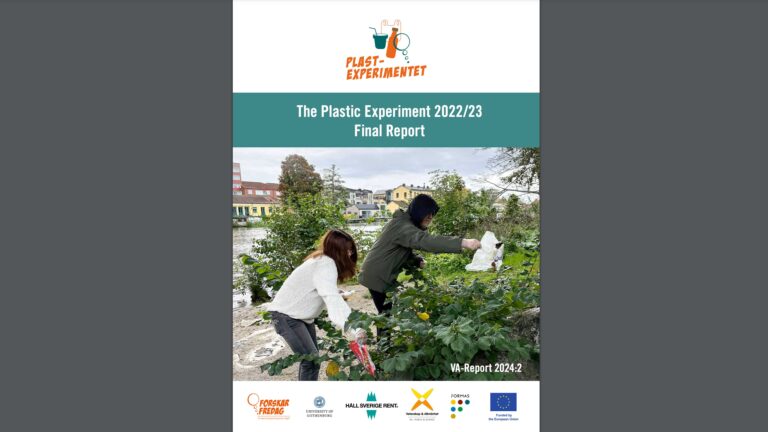
Findings from Sweden’s largest plastic waste experiment now…
The Plastic Experiment is a nationwide Citizen Science project in which Keep Sweden Tidy Foundation, Public & Science Sweden and the University of Gothenburg have… Läs mer
Skapad:
2024-04-09Uppdaterad:
2024-04-08
Launch of Re-MEND citizen science project for better…
Among the EU Re-MEND project’s objectives are the improvement of mental health literacy among health care professionals, intervention developers, and the general public. One of… Läs mer
Skapad:
2024-03-18Uppdaterad:
2024-03-27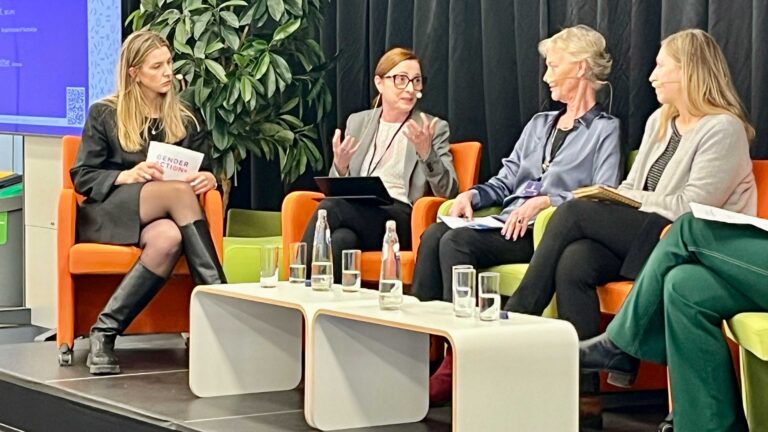
ERA of Inclusive Gender Equality conference deliberates future…
In celebration of the International Day of Girls and Women in Science, the ERA of Inclusive Gender Equality conference was hosted at BOSA, Brussels on… Läs mer
Skapad:
2024-03-08Uppdaterad:
2024-03-27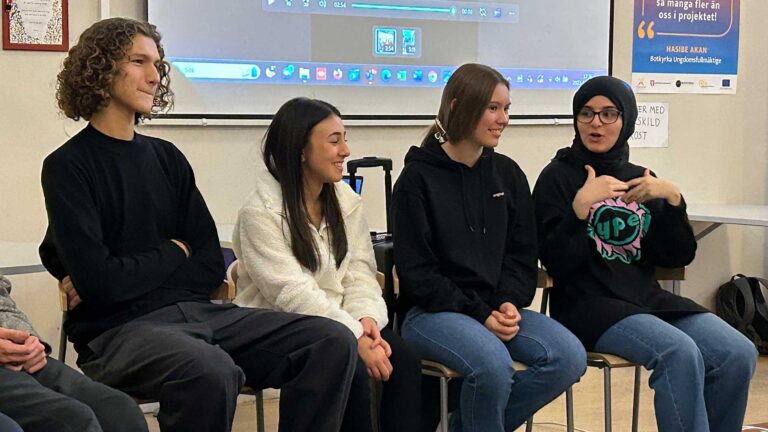
YouCount wraps up with co-created handbook
Ten case studies, nine countries, three years, and a wealth of lessons learned. The citizen science project YouCount draws to an end with a collective… Läs mer
Skapad:
2024-02-29Uppdaterad:
2024-03-04
Handbook for academic civic engagement in universities
“Academic Civic Commitment through Public Engagement in the Third Mission” is a new handbook that has been developed by the Erasmus+ Tenacity project. It is… Läs mer
Skapad:
2024-02-22Uppdaterad:
2024-02-23
Swedish public more cautious about developments in AI
The Swedish public’s interest in social sciences research is increasing, and overall, confidence in researchers and research is high. However, the public’s attitude towards artificial… Läs mer
Skapad:
2024-02-08Uppdaterad:
2024-02-08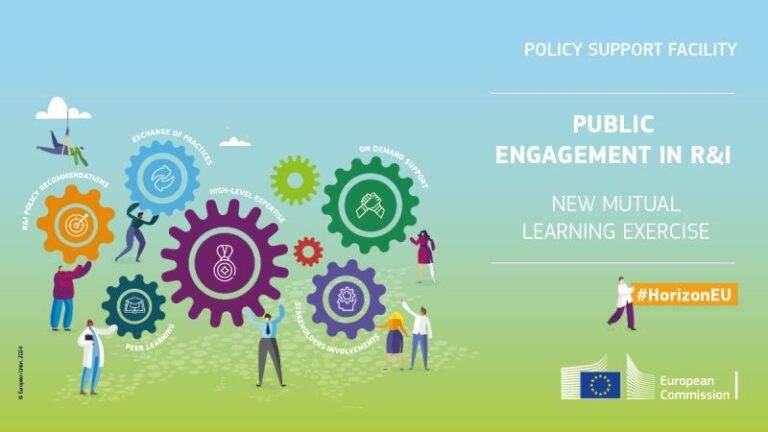
VA to help shape public engagement in the…
VA (Public & Science) is contributing as a national expert in the new Mutual Learning Exercise (MLE), focusing on Public Engagement in Research & Innovation… Läs mer
Skapad:
2024-02-07Uppdaterad:
2024-03-12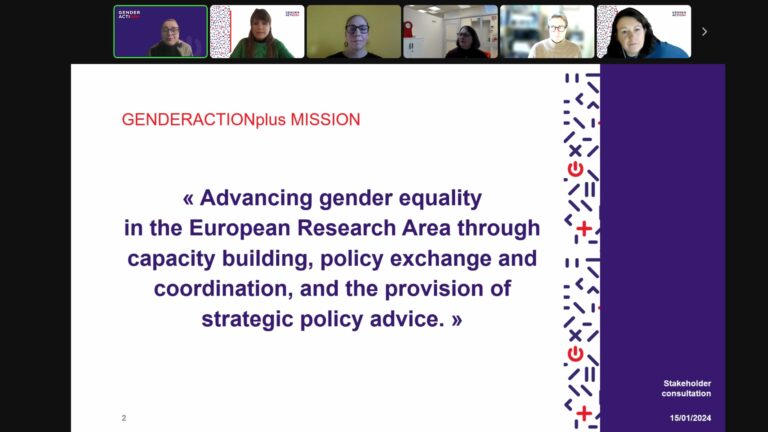
GENDERACTIONplus consults stakeholders across Europe on intersectionality policy…
On 15 January, the EU-funded GENDERACTIONplus project ran its third stakeholder engagement event. The purpose was to gather valuable input and feedback on recommendations aimed… Läs mer
Skapad:
2024-02-06Uppdaterad:
2024-03-27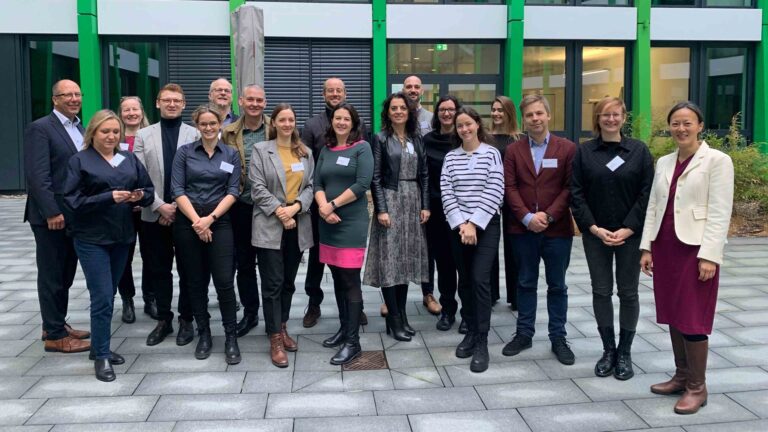
Inspiring ERA: New EU project to support implementation…
Inspiring ERA is a new EU Horizon Europe project seeking to support and promote the successful implementation of the ERA Policy Agenda. VA (Public &… Läs mer
Skapad:
2023-12-13Uppdaterad:
2024-03-06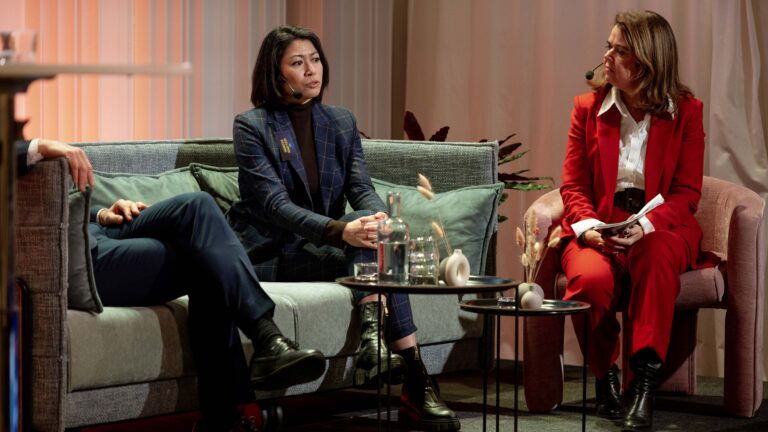
AI and the future of science communication –…
What implications do advancements in AI have for professional science communicators? How are these tools currently used, and how might their usage evolve in the… Läs mer
Skapad:
2023-12-12Uppdaterad:
2023-12-13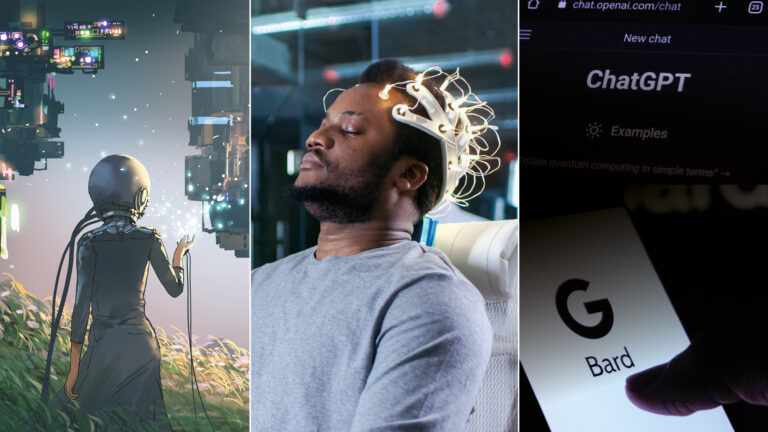
New virtual exhibition on new and emerging technologies
Emerging technologies such as climate engineering and AI create new opportunities to tackle the challenges we face, but they also bring potential societal and ethical… Läs mer
Skapad:
2023-12-06Uppdaterad:
2023-12-13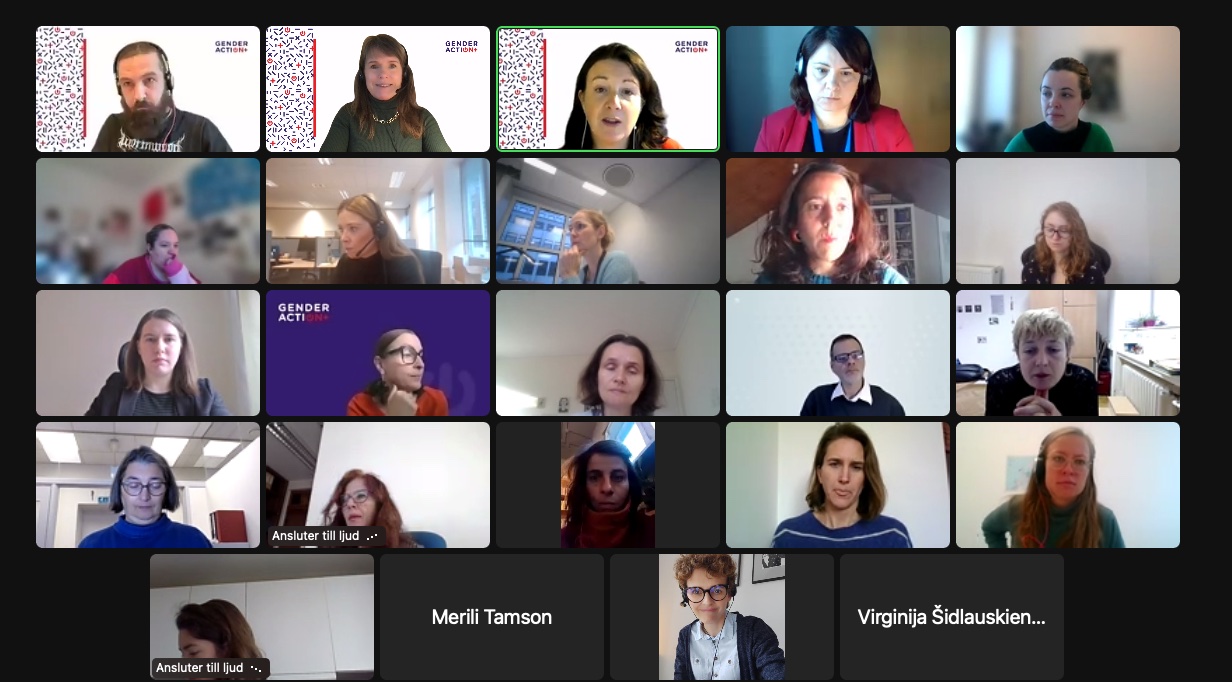
GENDERACTIONplus consultation gathers stakeholder insights across Europe on…
The EU-funded GENDERACTIONplus project recently hosted its second stakeholder engagement event on 29 November 2023 to gather input and feedback on draft guidelines for establishing… Läs mer
Skapad:
2023-12-04Uppdaterad:
2024-03-27